Social Media Isn’t the Problem. Our Approach Is.

For years, when local leaders asked me whether meaningful civic dialogue could happen on social media, I would give the same answer.
No.
To illustrate the point, I would show an image of a classic toy from my Baby Boomer youth: Rock ’em Sock ’em Robots. Two plastic fighters in a ring, hammering away until one head popped up. Social media often feels less like dialogue and more like a mechanical contest to see who can land the decisive blow.
That metaphor has served me well.
Until now.
This week, on my podcast Community Catalysts, I had a conversation that challenged that assumption in a meaningful way.
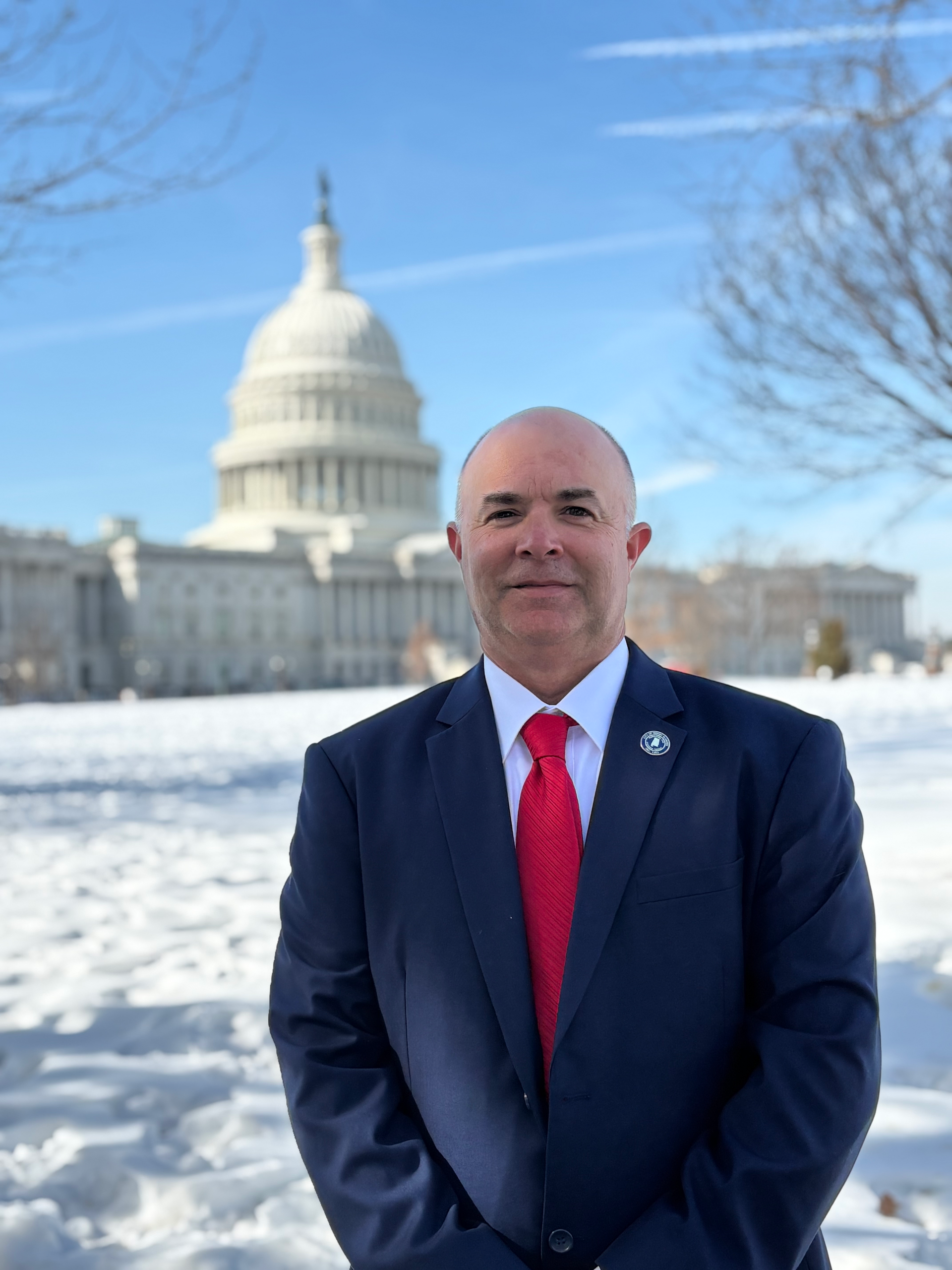
If you’re not familiar with the podcast, it’s a weekly series of conversations with local leaders across the country—mayors, councilmembers, school board members, administrators—focused not on policy positions, but on the lived experience of leadership and the lessons that come from doing the work.
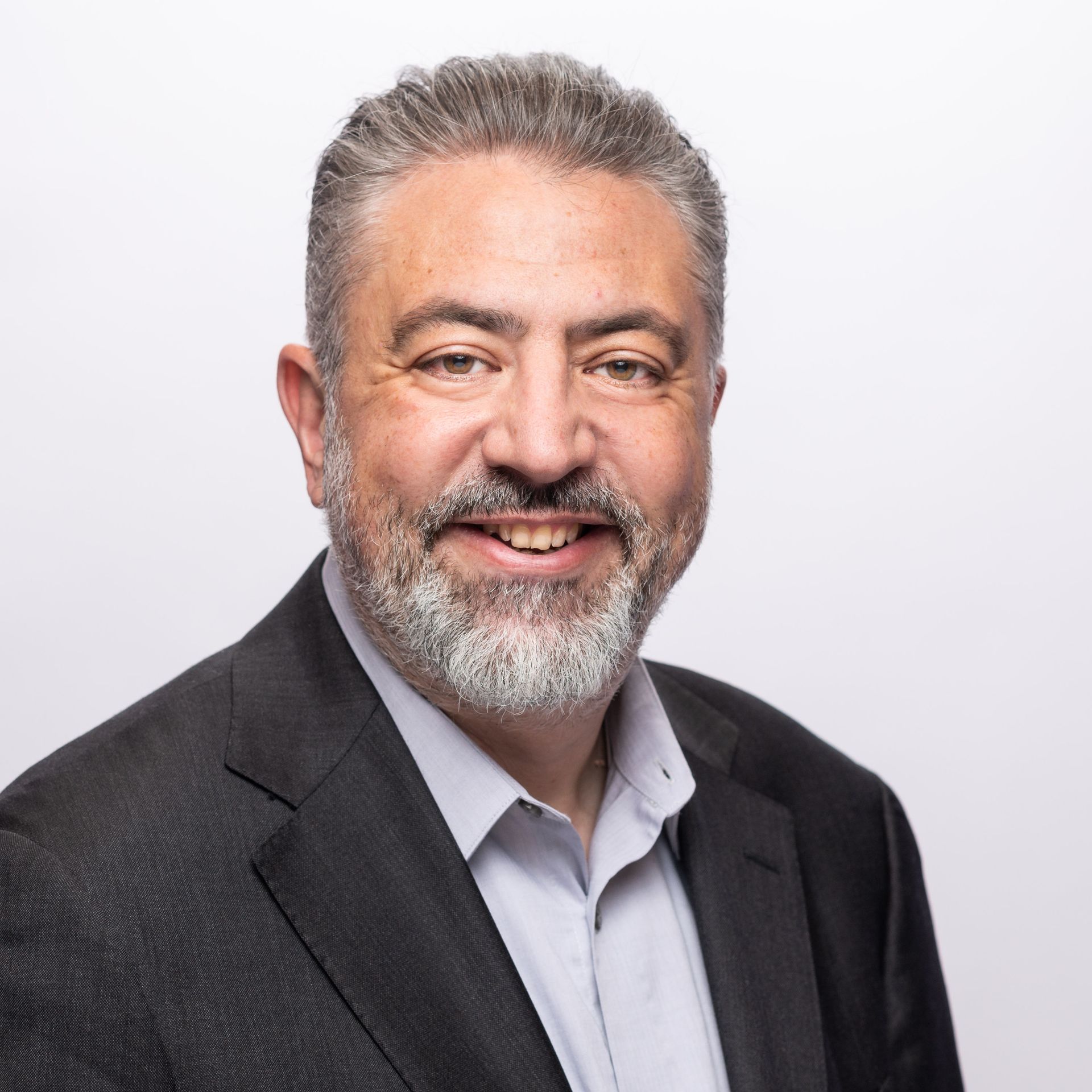
My guest for this episode was Sam Toles, founder of CiviSocial. And what he offered wasn’t a defense of social media.
It was a reframing.
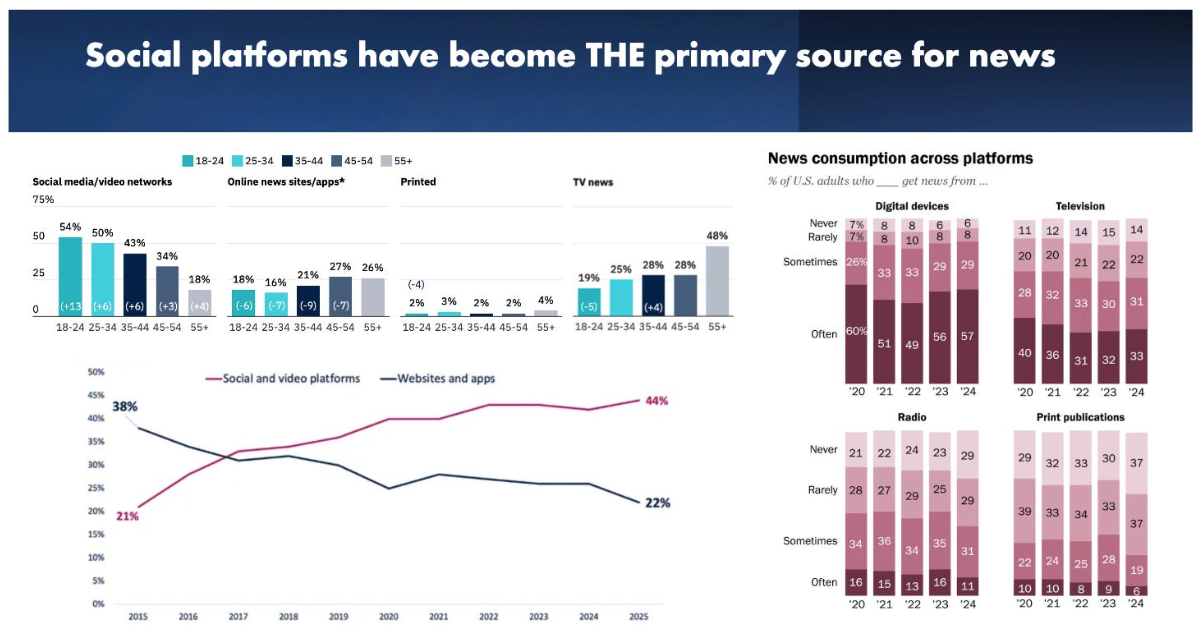
A few of Sam’s insights stood out to me—and in the conversation itself, he goes much deeper, offering practical examples of how this actually plays out for local leaders:
- Social media is not one environment. Each platform rewards different behavior. Treating them all the same leads to predictable frustration—and missed opportunities.
- Most government communication is mismatched to the medium. Announcements and polished messaging may be appropriate—but they often don’t perform well in spaces built for human interaction. Sam shares what that mismatch looks like in practice, and how leaders can begin to adjust it.
- Institutional tone can create distance. When communication feels impersonal, it leaves room for other voices—often more emotional and less accountable—to shape the narrative. The conversation explores how small shifts in tone can make a meaningful difference.
- Connection drives engagement. People respond to people. Stories and visible humanity invite recognition in a way that information alone does not—and Sam offers concrete ways for leaders to begin showing that human side without sacrificing professionalism.
- This is not about marketing. It is about legitimacy. When people understand how decisions affect them—and can see the people behind those decisions—they are more likely to engage constructively. The interview brings this idea to life with real-world context.
None of this eliminates disagreement.
But it changes the nature of it—and that distinction matters.
In my work, I often say that disagreement is not the problem. The challenge is whether disagreement unfolds in a way that builds understanding or erodes it. For a long time, I assumed that social media, by its nature, pushed us toward erosion.
Sam helped me see that the platform itself is not the determining factor.
Participation is.
The way leaders, institutions, and communities choose to engage—consistently, visibly, and authentically—shapes the tone of the space over time. That is not easy work. It requires intention, discipline, and a willingness to be seen not just as an institution, but as people doing meaningful work on behalf of their community.
But it is possible.
And in a time when so much of our civic life is mediated through screens, it may be essential.
If you’ve ever felt like social media is working against you as a leader, I think you’ll find this conversation both practical and surprising. You can listen to my full interview with Sam Toles on Community Catalysts, now streaming on all platforms.
I still believe there are moments when social media can feel like Rock ’em Sock ’em Robots.
But I no longer believe that is all it can be.
And after hearing Sam explain how this works, I have to admit something.
In the language of the Rock ’em Sock ’em Robots, Sam knocked my block off.
Follow Matt on Substack.
Connect with Matt:
- Email me at Matt@SocialProsperity.us.
- Follow me on Facebook, Instagram, YouTube and LinkedIn.
- Learn more at SocialProsperity.us and MattLehrman.com.